
"coffee by country"
40000 article(s) found
Boutique coffee bean producing countries introduce Philippine coffee
Coffee was introduced into the Philippines (Philippines) in the early 19th century and by 1880 the country had become the fourth largest coffee exporter in the world. However, due to the spread of coffee rust, the country became a coffee importer soon after 1880. However, the coffee growing industry has gradually recovered. Coffee production in the Philippines: the Philippines is one of the few countries that can grow four varieties of coffee.

The top ten coffee producing countries in the world
Nearly 70 countries around the world produce and export coffee beans, but the output and quality are uneven. According to the 2010 global coffee production ranking published by the International Coffee Organization (ICO), Brazil, Vietnam, Colombia, Indonesia, Ethiopia, India, Mexico, Guatemala, Honduras and Peru are the top 10 countries. Among the top ten producing countries, except

Beautiful sweetness of El Salvador Himalayan boutique coffee beans cultivation geographical location climate sea
El Salvador's coffee accounts for 40% of the country's exports, and it is usually picked in November, December and the 13th of the following year. The export of raw beans lasts almost all year round. Coffee is produced in seven of the country's 14 provinces, with the largest number in the northwestern provinces of chalatenango and santa ana. The coffee produced in El Salvador is 100% Arabica, of which 68% is

Beautiful sweetness of El Salvador Himalayan boutique coffee bean flavor, taste and aroma description, Jane
El Salvador's coffee accounts for 40% of the country's exports, and it is usually picked in November, December and the 13th of the following year. The export of raw beans lasts almost all year round. Coffee is produced in seven of the country's 14 provinces, with the largest number in the northwestern provinces of chalatenango and santa ana. The coffee produced in El Salvador is 100% Arabica, of which 68% is

Top ten high-quality coffee producers and exporters with common sense of coffee beans
Good coffee beans are a necessary condition for making a good cup of coffee, so how to choose coffee beans? good coffee must start from the source. Let's take a look at the top ten coffee producing countries in the world! 1. Brazil if you are a coffee drinker, you must know that one of the first countries to produce some of the best coffee is Brazil. An estimated 54 million bags of coffee are produced in Brazil.

Cultivation of fine quality El Salvador Himalayan coffee beans, geographical location, climate, altitude
Central American countries generally distinguish quality grades by altitude, such as Costa Rica, Guatemala, Mexico, Honduras and other countries. Similarly, El Salvador is graded by altitude. At high altitudes, due to the cold climate and slow coffee growth, the density of raw beans will be higher, the hardness will be stronger, and the unique sour feeling of Arabica will be more.

Coffee Bean Quality Coffee Bean Quality Grading Coffee Bean Grading Tips
There is no internationally accepted standard for coffee quality grading, and the grading methods in each country are different. Therefore, coffee classification is based on a number of characteristics applicable to each producing country. Samples of coffee beans are taken from a bag and judged according to the standards of the country of production. These samples are rated according to the evaluation. Most coffee fractions are rated as good or bad.

Description of Rwanda Coffee Flavor, characteristics of Grinding degree, introduction to manors in Variety producing areas
Rwanda is located in the south of the equator in east-central Africa, a landlocked country. It is bordered by Tanzania to the east, Burundi to the south, Zaire to the west and northwest, and Uganda to the north, with a land area of 26338 square kilometers, ranking 149th among all countries in the world and close to Burundi, Macedonia, Haiti and Albania. Rwanda is located in east-central Africa, bordered by the Democratic Republic of the Congo to the west.

The sweetness of fruit and the rich coffee flavor of Chilmel Manor in Rwanda. Introduction to fine coffee.
Rwanda is located in the south of the equator in east-central Africa, a landlocked country. It is bordered by Tanzania to the east, Burundi to the south, Zaire to the west and northwest, and Uganda to the north, with a land area of 26338 square kilometers, ranking 149th among all countries in the world and close to Burundi, Macedonia, Haiti and Albania. Rwanda is located in east-central Africa, bordered by the Democratic Republic of the Congo to the west.

Ei Salvador El Salvador coffee bean producing country
Unique, mild-tasting coffee. El Salvador is one of the small countries in Central America with a dense population. The flavor of its coffee is characterized by excellent balance. Today, this coffee accounts for 40% of the country's exports. 35% of the extra hard beans of the best coffee are exported to Germany from January to March. In the early 1990s, the guerrilla war greatly damaged the country's citizens.
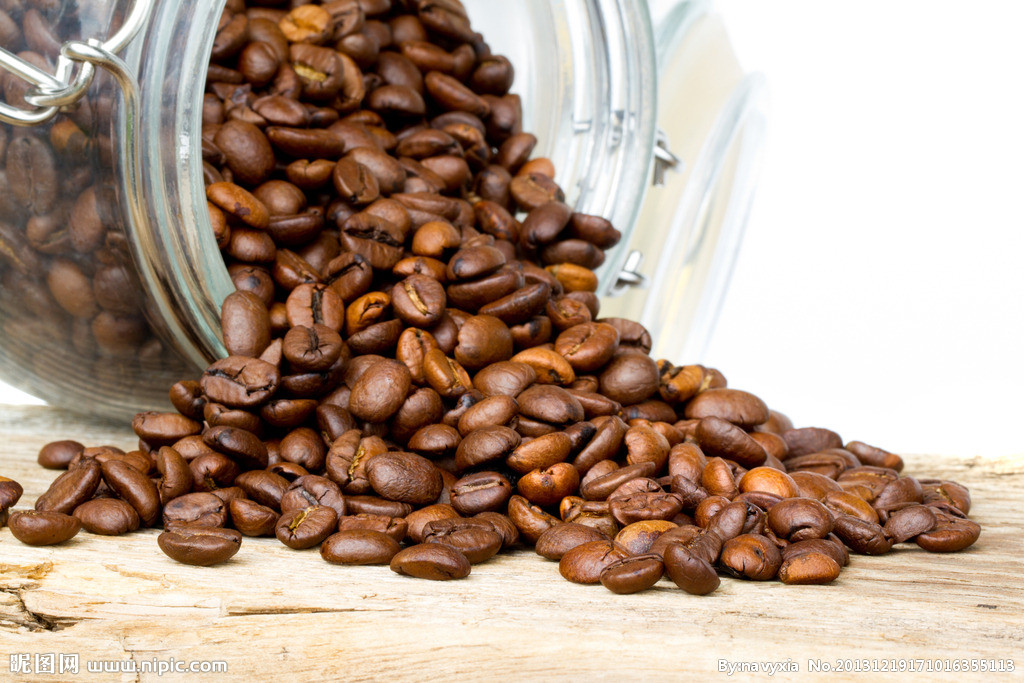
The main points of knowledge about the quality of coffee beans: coffee quality grading coffee beans grading in detail
There is no internationally accepted standard for coffee quality grading, and the grading method varies from country to country. Therefore, coffee classification is based on some of the characteristics applicable to each producing country. The sample of coffee beans taken from a bag is judged according to the standards of the producing country, the samples are rated, and most of the coffee is good or bad according to the evaluation.

The balanced taste of Salvadoran Coffee Manor introduces the characteristics of Linus Manor.
El Salvador (ElSalvador) is one of the small countries in Central America, where coffee is light, fragrant, pure, slightly sour and characterized by excellent balance of flavor. It is a specialty of Central America. With sour, bitter, sweet and other taste characteristics, the best baking degree is moderate, deep. The origin of coffee in the early 1990s, guerrilla warfare greatly damaged the country's national economy and increased coffee production from 70 years.

The price of coffee in Honduras introduces the producing area of San Juan.
The head of the Honduran Ministry of Agriculture plans to convert 8% of the country's coffee farms to cocoa. The news comes from the country's Ministry of Economic Development and the National Coffee Association ihcafe told Reuters, the country's Minister of Economic Development Alden Rivera pointed out that because many coffee farms are affected by particularly serious leaf rust, if we do not transform the cultivation of cocoa, next year or even several years will affect 20000

A brief introduction to the Market Price of Fine Coffee Bean varieties in Paradise Bird Manor
The coffee industry plays an important role in the country's economy. More than 1 million people are directly and indirectly engaged in the industry. The government encourages planting by offering a minimum purchase price. The industry itself is controlled by the Coffee Industry Council (Coffee Industry Board). The commission is located in Goroka, in the eastern part of the island, while exports are handled by private companies. The frost of 1975

Rust disease reduces coffee production in eight Latin American countries
International online feature: according to a report released by the National Coffee Association of Guatemala (Anacafe) a few days ago, between October 2013 and August 2014, nine major coffee growing countries in Latin America Colombia, Costa Rica, El Salvador, Guatemala, Honduras, Mexico, Nicaragua, Peru and more

The cultivation of El Salvador Himalayan boutique coffee beans with excellent balance geographical location and climate sea
El Salvador's coffee accounts for 40% of the country's exports, and it is usually picked in November, December and the 13th of the following year. The export of raw beans lasts almost all year round. Coffee is produced in seven of the country's 14 provinces, with the largest number in the northwestern provinces of chalatenango and santa ana. The coffee produced in El Salvador is 100% Arabica, of which 68% is

What are the common ways to handle raw coffee beans? What is the difference between solarization and washing? Coffee-producing country
Professional coffee knowledge exchange more information about coffee beans Please follow the common handling methods of raw coffee beans in the coffee workshop (Wechat official account cafe_style). What is the difference between solarization and washing? What is the grading system of raw beans in large coffee-producing countries? 1. Grading: after the seeds are taken out, the seeds are screened and graded, and Guatemala, Costa Rica and other countries are rated according to the planting height.
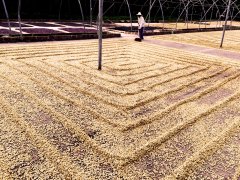
Bourbon characteristics of the History of Coffee cultivation in El Salvador, the birthplace of Pacas Pacamara Coffee beans
Position in the world as a coffee exporter (19gam20): sacks exported annually on the 19th (60kg) (19gam20): about 546000 percentage of the world coffee market: less than 1 per cent of other major agricultural exports: typical varieties of sugar, corn, rice, beans: bourbon, Pacas, Pacamara, Kaddura and Katuai major coffee producing areas
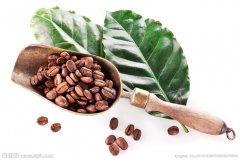
El Salvador is one of the small coffee countries of Central America.
Unique, mild coffee. El Salvador is one of the small countries in Central America and has a very dense population. Its coffee flavor is characterized by excellent balance. Today, this coffee accounts for 40% of the country's exports. The best quality coffee in January to March after 35% of the extra-hard beans exported to Germany. In the early 1990s, guerrilla warfare greatly damaged the country's national economy.

Beautiful sweetness of El Salvador Himalayan boutique coffee beans grind degree treatment method of baking degree
Central American countries generally distinguish quality grades by altitude, such as Costa Rica, Guatemala, Mexico, Honduras and other countries. Similarly, El Salvador is graded by altitude. At high altitudes, due to the cold climate and slow coffee growth, the density of raw beans will be higher, the hardness will be stronger, and the unique sour feeling of Arabica will be more.